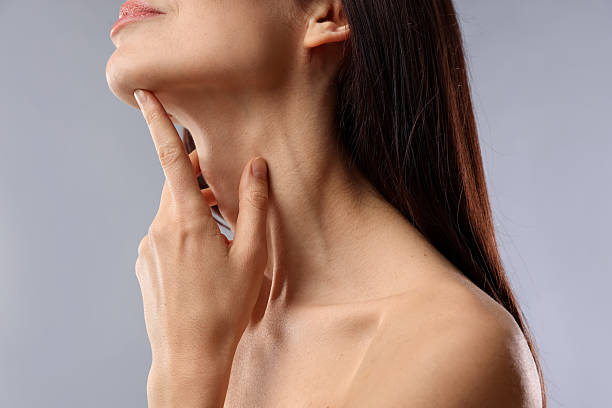
Modern skin care sits between two familiar ideas. One is beauty: how skin looks, feels and supports confidence. The other is science: how skin behaves, how treatments affect tissue and how risk is managed. The strongest approach does not treat these as competing priorities. It uses evidence-informed assessment to shape cosmetic goals, while recognising that every procedure has limits and that healthy-looking skin is not created by chasing every new trend.
Starting with the skin, not the trend
New devices, injectables and treatment names can attract attention quickly, but a popular option may not suit every concern. Good decision-making starts with the person’s skin, medical history, expectations and tolerance for downtime. It also asks a basic question: what is the actual problem being addressed? Texture, pigmentation, redness and volume changes are different issues, so they may call for different strategies. A clear diagnosis or professional assessment helps prevent treatment from becoming a sequence of guesses. Persistent lesions, unexplained changes or significant inflammation should not be assumed to be suitable for a cosmetic procedure without appropriate review.
What science adds to cosmetic care
Aesthetic medicine brings clinical thinking into appearance-focused treatment. That includes understanding anatomy, skin physiology, contraindications, likely side effects and the limits of what a procedure can achieve. It also means selecting techniques for a reason rather than because they are fashionable. Evidence can be stronger for treatments than others, and responsible practitioners should be willing to explain where certainty is limited. Informed consent depends on discussing realistic benefits, alternatives and possible complications before treatment begins. In aesthetic medicine, that scientific discipline also includes knowing when not to treat. A procedure can be technically possible while still being a poor match for the person’s priorities, health history or willingness to accept downtime.
Why natural results require restraint
More treatment does not automatically produce a better result. Facial balance depends on proportion, movement, skin quality and individual features. Trying to correct every line or asymmetry can create an outcome that looks less natural than the starting point. A measured plan may involve doing less, spacing treatments appropriately or deciding that no procedure is needed at present. This is where technical knowledge supports aesthetics: the aim is not simply to change tissue, but to understand what amount of change is appropriate.
The role of home care
Clinic treatments cannot replace daily habits. Gentle cleansing, moisturising when needed and appropriate sun protection remain important foundations for many skin goals. Targeted products may add value, but their role should be clear and their use should fit the skin’s tolerance. In aesthetic medicine, home care can also support preparation and recovery, although exact recommendations depend on the procedure and the individual. Introducing several strong actives at once can make irritation more likely and makes it harder to identify the cause.
Safety is part of beauty
A polished result matters little if the process ignores risk. People considering a procedure should understand who will perform it, what qualifications or oversight are relevant, what product or device is being used, and what aftercare is available if something unexpected happens. For treatments that involve medicines or medical procedures, Australian regulatory and prescribing requirements can also apply. Patients should receive advice that is specific to their circumstances rather than relying on generic online claims. Good aesthetic medicine also depends on follow-up. People should know what normal recovery may look like, which changes are unexpected and how to contact the clinic if a concern develops after they leave.
A more thoughtful definition of results
The meeting point between science and beauty is not a promise of perfection. It is a method for making appearance-focused choices with more information, more realistic expectations and clearer boundaries. Aesthetic medicine can offer tools for selected concerns, but those tools work best within a broader plan that respects skin health, individual anatomy and personal preference. The most modern approach may therefore be the least dramatic one: careful assessment, proportionate treatment and enough patience to judge the result before deciding what comes next.