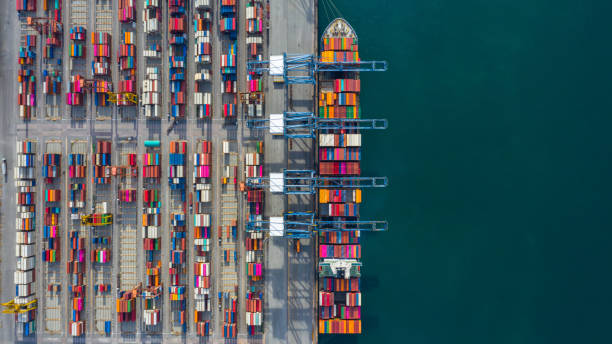
A container ship waits offshore longer than planned. Rain lashes the port. Cranes stop moving. Somewhere else, a warehouse runs low on stock. These moments feel small when viewed alone. Together, they quietly reshape global supply chains.
Extreme weather and port delays are no longer rare interruptions. They appear more often, last longer, and ripple further than many businesses expect. If your products move across oceans, these disruptions affect you, even if you never see the ship.
One Wet Week Can Break a Tight Schedule
Weather does not need to be dramatic to cause damage. Heavy rain slows loading. Strong winds halt cranes. Heat waves reduce labour hours. Each delay stacks on the next.
Shipping schedules rely on narrow time windows. When a vessel misses one slot, it may wait days for the next. That delay then shifts unloading times at the next port. Trucks and trains miss connections. Warehouses receive goods late.
You may feel the impact as empty shelves or missed delivery promises, not as a storm at sea.
Ports Struggle with Volume, Not Just Weather
Many major ports already run close to capacity. When weather slows operations, congestion builds fast. Ships queue. Containers pile up. Space runs out.
Port delays also affect paperwork. Customs checks slow when staff face backlogs. A container may arrive on time but sit idle due to processing delays. From the outside, it looks like nothing is happening. Costs continue to rise in the background.
This pressure spreads across regions. A delay in Asia can disrupt factories in Europe. A backlog in Australia can affect retailers months later.
Inventory Planning Becomes Harder
Businesses often plan inventory based on predictable transit times. Extreme weather breaks those patterns. Lead times stretch. Arrival dates shift without warning.
To cope, some companies hold more stock. Others accept shortages and hope demand waits. Both options strain cash flow. Extra stock ties up money. Shortages risk lost sales and damaged trust.
This is where marine insurance starts to feel less abstract. It connects weather, delays, and financial exposure into one conversation rather than separate problems.
Damage Risk Rises During Delays
When goods sit longer than planned, risk increases. Containers stay exposed to moisture. Temperature-sensitive items drift outside safe ranges. Handling increases as ports reshuffle cargo.
Damage does not always show immediately. Electronics may fail later. Food may spoil quietly. Packaging may weaken, leading to losses further down the chain.
These losses often appear after delivery, which complicates claims and responsibility. The longer goods remain in transit, the harder it becomes to trace where things went wrong.
Contracts Rarely Protect Against Everything
Shipping contracts often limit liability. Carriers may exclude weather-related delays. Ports may cap responsibility. Suppliers may point elsewhere.
Many businesses assume someone else will absorb the loss. Often, no one does. The cost lands with the cargo owner.
This gap is why many companies review marine insurance not as a shipping add-on, but as a core risk tool tied directly to supply chain resilience.
Planning Shifts from Speed to Flexibility
Some businesses now plan for disruption instead of speed. They diversify ports. They stagger shipments. They build slack into schedules.
Insurance plays a role here too. When coverage aligns with real risks, decision-making feels calmer. You can accept delays knowing losses are at least partly contained.
Marine insurance appears again in this planning phase, not as fear-driven protection, but as practical support for uncertain routes.
A Supply Chain Lesson Worth Keeping
Extreme weather and port delays are not temporary challenges. They shape how goods move and how money flows. Ignoring them does not make them smaller.
If your supply chain crosses oceans, it may help to review how risk is shared, delayed, or absorbed. Understanding what marine insurance actually covers could be a sensible place to start, so future disruptions feel manageable rather than surprising.