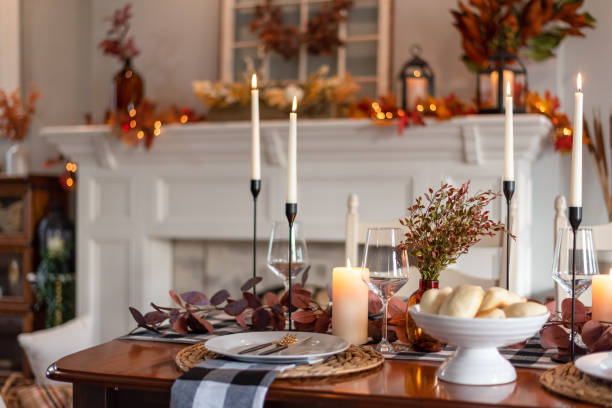
A beautiful home can pass many tests before anyone sits down to eat. The colours may work. The materials may feel rich. The photographs may look balanced. Yet a dinner party asks a harder question. Can the room cope when people arrive hungry, coats in hand, stories half-started, and glasses already needing to be filled?
A dinner party in Ireland often begins before the meal. Someone rings the bell while the host checks the oven. A neighbour arrives early. A friend brings wine. Rain may follow people through the door. The room must accept the small disorder of welcome without losing its poise.
Luxury kitchens should be judged in this lively moment, not only in silence. Does the host stay part of the room, or become trapped at the sink? Can two people plate food without a polite collision? Is there somewhere to land a bottle, a bowl, or a gift without clearing half the surface first?
The dinner party test is not about showing off. In fact, a room that tries too hard can make guests stiff. They hesitate to lean, pour, help, or laugh. A better room gives them clues. It tells them where to stand, where to drift, and when to move towards the table. The design should guide behaviour without bossing anyone around.
This makes the path through the room important. Guests rarely stay where the host expects. They gather near warmth, conversation, or food. They block drawers. They hover in the wrong spot. They follow the person who seems most relaxed. A well-planned space accepts this human mess and still lets the evening continue.
Are luxury kitchens ready for that kind of pressure? Some are. Others look strong in a showroom but stumble when six people enter at once. The issue may be a narrow gap, a poorly placed appliance, or an island that creates a traffic jam. These flaws do not appear in a still image. They appear when someone says, “Can I help?” and there is nowhere sensible for them to stand.
The best hosting rooms allow different speeds. One person chops herbs. Another opens drinks. A guest tells a story near the edge. Someone passes behind with plates. The room must hold all this without making the host raise their voice or guard every movement.
Lighting also changes under this test. Strong task light may help with cooking, but the mood can fall if it stays harsh through the meal. A softer layer can help the room shift from preparation to eating. The change does not need drama. It only needs to tell people that the evening has moved on.
Sound matters too, though not as a main event. Hard surfaces can throw voices around until everyone speaks louder. Too much softness can drain the energy. The aim is a room where laughter can rise without making quiet conversation vanish. A dinner party needs both.
For Irish homeowners who enjoy hosting, the design brief should include real scenes. How many people come most often? Does the host cook alone or with others? Are meals casual, long, loud, formal, or mixed? Do people gather in the cooking area even when there is a sitting room nearby? Honest answers will shape the plan better than a list of fashionable features.
When luxury kitchens pass the dinner party test, they do more than look fine. They help the host stay generous. They let guests feel useful without being in the way. They turn food into an evening rather than a task with witnesses.
The final sign may be simple. Nobody rushes to leave the room after the plates are cleared. People remain standing, talking, reaching for one more drink, and forgetting the chairs waiting nearby. That is when a beautiful home proves it can also be alive.