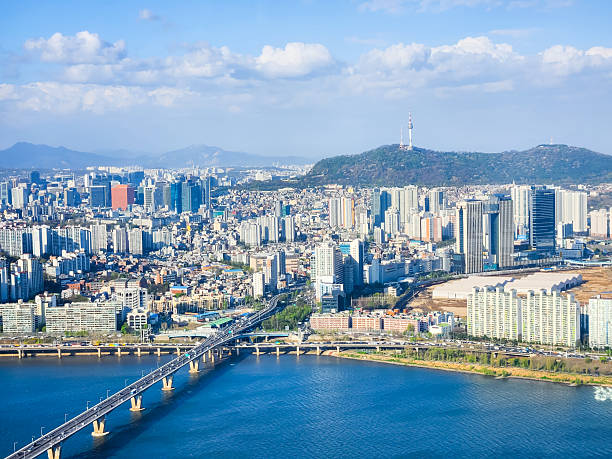
Mornings tend to be fast-paced for most working professionals in South Korea, but surprisingly, a number have carved out a narrow window before the workday even begins to focus on learning how to trade forex. Many traders in Seoul have found that early hours, before emails start piling up and meetings take over the mind, offer a better mental state for absorbing new ideas and digesting overnight market action, turning what might otherwise be idle time into something genuinely productive.
Those who caught the early train to Gangnam or Yeouido described using the quiet, pre-dawn window to study currency trading basics on mobile apps or short video tutorials, turning the commute itself into productive time. Heading out before six offers a chance to review European session activity that wrapped up just a few hours earlier, absorbing lessons about how currency pairs behave while the information stays fresh, closer to the actual price action than reading about it days later would allow.
For Busan’s shift workers, this same pattern takes a slightly different rhythm, since schedules do not always align with traditional office hours in the first place. Workers on overnight manufacturing shifts sometimes use the time before sleep to study forex trading concepts, turning what would otherwise be a simple wind-down into structured learning. The odd timing works because it fits neatly into already disrupted schedules from the normal day patterns that most educational content assumes its readers are following.
Engineers in Daejeon have been remarkably consistent in their early morning study sessions, using the same discipline they use for professional certification exams to learn how to trade forex systematically. Breaking concepts down into bite-sized pieces suited to a morning session tends to build deeper understanding than cramming everything in during occasional weekends.
The attraction of this time slot for traders who are balancing education with other responsibilities is largely based on family commitments. Parents in cities such as Incheon and Daegu describe early morning hours, before children wake and demand attention, as one of the few truly uninterrupted times available for concentrated learning. This practical scheduling reality explains why this window has become the default choice for busy professionals trying to fit forex education into already demanding lives, more than any inherent superiority of morning cognition itself.
Some education content creators have responded by producing shorter, more digestible lessons aimed at this early morning crowd, recognizing that people rarely have the endless attention span needed for a long study session. Someone learning currency trading basics during a fifteen-minute window before catching a subway naturally benefits from concentrated, focused content, well suited to that setting compared with lengthy explanations built for uninterrupted weekend afternoons that many working professionals simply do not have available regularly. Ultimately, this morning learning pattern reflects resourceful scheduling around genuinely demanding professional and family lives more than any special cognitive advantage tied to timing. Korean traders who fit forex education into these narrow pre-work windows exhibit the same practical problem-solving they likely use elsewhere in juggling competing priorities, treating currency market education as important enough to carve out specific time for, even when that time falls at unconventional hours most productivity advice rarely addresses.