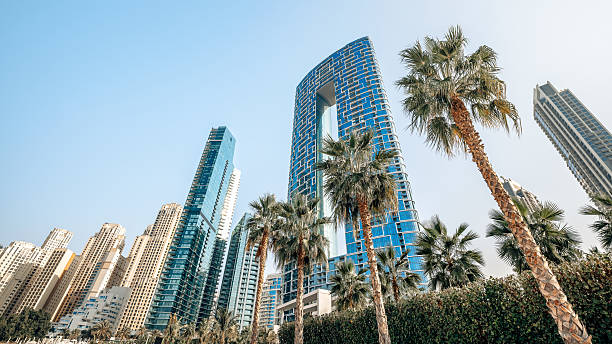
Australian investors have spent years searching for markets that offer stability and growth. Their attention often returns to Dubai, a city that continues to develop at a steady pace. Its property sector sits in a region shaped by rapid construction, busy trade routes, and a steady flow of global capital. Yet interest from abroad grows not only because of opportunity but also because the process has become more accessible. Many Australians now explore ways to invest in Dubai real estate from Australia without feeling limited by distance.
The appeal starts with scale. Dubai’s government pushes long-term development across residential, tourism, and commercial districts. New communities rise near major roads. Waterfront projects expand. Infrastructure links neighbourhoods with careful planning. Investors in Australia watch these projects with cautious optimism, since the city tends to complete what it starts. Each finished district signals reliability, a trait that attracts buyers who want predictable returns.
Currency behaviour also shapes decisions. When the Australian dollar strengthens, some investors feel encouraged to enter the market. When it weakens, others still proceed, seeing property as a way to balance risk. What matters is the sense that Dubai’s property market responds more to regional demand and government policy than to short-term swings. This makes the sector feel somewhat insulated compared with markets driven by speculation alone.
Technology reduces the impact of distance. Contracts, title checks, and financial assessments move through digital systems that update quickly. Australian buyers can review documents without travelling. Virtual tours show unit layouts, sunlight patterns, and surrounding streets. Developers and brokers share data on past prices and rental yields. These tools give investors enough clarity to make informed decisions while they remain at home.
Still, concerns remain. Some buyers worry about unfamiliar regulations. Dubai’s property rules differ from those in Australia, and the terminology can confuse first-time investors. To manage this, many rely on local professionals for guidance. Lawyers explain the legal structure of freehold areas. Brokers outline the differences between off-plan and completed units. Financial advisers clarify payment schedules. This support reduces uncertainty, letting the investor see the full process from a distance.
Market timing plays an important role. Dubai’s property cycle moves through periods of expansion and stabilisation. Australian investors monitor these shifts closely. They study reports and track building activity to avoid entering at a peak. Some prefer newly launched districts, believing they hold stronger long-term promise. Others choose established areas with proven rental performance. In both cases, the investor weighs growth prospects against risk.
Lifestyle factors influence decisions too. Families look for communities near schools and parks. Younger professionals consider commute times and entertainment districts. Retirees examine quieter neighbourhoods. Each group believes the right choice can create future demand from tenants or buyers. This idea of planning for the next occupant encourages careful selection rather than blind speculation.
Finance remains central. Mortgage rules for foreign investors require higher deposits than those seen locally. This pushes some Australians to explore cash purchases or staged developer payments. Others view the higher deposit as a filter that prevents rapid overheating of the market. Whatever the approach, investors try to balance liquidity with long-term goals. The cost of entering the market does not discourage them as long as the outlook stays steady.
Developers in Dubai adapt to this overseas demand. They create customer service teams trained to work across time zones. They provide clear communication, consistent updates, and access to verified documents. This approach helps Australians navigate the process with confidence. It also demonstrates Dubai’s long-term interest in attracting international buyers. The ability to invest in Dubai real estate from Australia grows stronger because the infrastructure supports it, not because the market is chasing quick money.
The connection between the two countries strengthens with every successful purchase. Investors in Australia find that Dubai offers a combination of planning, transparency, and diversity. They weigh risk carefully, but they value the city’s long-term vision. As more systems become digital, the gap between the two nations shrinks further. Buyers will continue to explore ways to invest in Dubai real estate from Australia, guided by data rather than distance.