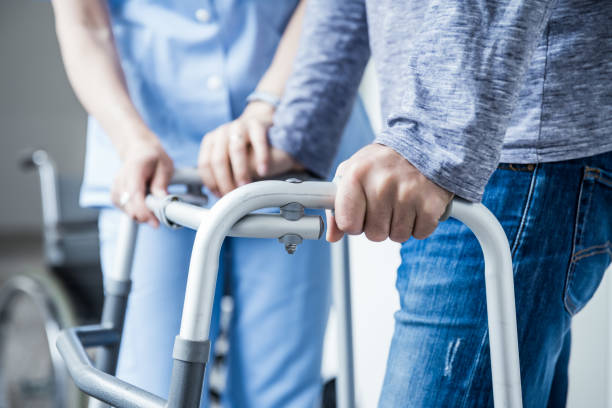
Pain changes how a person moves. It can shorten steps, stiffen posture, or make someone avoid using part of their body altogether. Over time, these small changes create new problems. Muscles weaken. Joints lose flexibility. Confidence in simple movements fades. What once felt automatic, like climbing stairs or reaching for a shelf, can start to feel risky.
Rebuilding movement requires more than rest. It calls for guided action, careful progression, and knowledge of how the body responds to stress. This is where physiotherapy can help. Rather than focusing only on the symptom, it studies patterns of movement and identifies what has shifted. By doing so, it targets not just the pain but the imbalance behind it.
A therapist begins with observation. They watch how a person stands, walks, bends, or lifts. They may test muscle strength or joint mobility, looking for asymmetries. From there, they create a plan built around hands-on techniques, exercise routines, and education. Each element aims to retrain the body to move with steadiness and confidence.
Balance often becomes a central goal. Injury or chronic pain can disrupt the sensory feedback that keeps the body stable. Special exercises can restore this feedback, from simple weight shifts to complex coordination drills. As these skills return, everyday tasks feel less threatening. A person who once hesitated on uneven ground may start walking freely again.
Recovery is rarely linear. Some days bring progress, others frustration. A good therapist adapts the plan accordingly, adjusting intensity and frequency. They encourage feedback and watch for signs of fatigue or compensation. This flexibility prevents setbacks and helps keep motivation alive.
Another key principle is gradual loading. The body adapts to the demands placed upon it. By increasing challenge in small steps, therapists rebuild strength without triggering pain flares. This approach applies to athletes returning to sport as well as office workers recovering from back strain. It shifts focus from what cannot be done to what can be built safely.
Education also plays a quiet but powerful role. Patients learn about posture, movement habits, and daily routines that either support or hinder progress. They might discover better ways to lift, stretch, or take breaks during work. This knowledge turns recovery into a shared effort, giving the person tools to continue improvement beyond the clinic.
Some clinics now use technology to reinforce training. Motion sensors, video feedback, or mobile apps let patients track exercises at home. This extension of care supports consistency and shows real-time progress. Even small visual cues, like seeing a graph of improved movement, can strengthen motivation and reduce fear of movement.
Pain itself can affect the mind as much as the body. Fear of reinjury or frustration with slow progress may lead to withdrawal from activities. Physiotherapists address this indirectly by building confidence through achievable tasks. Each small success resets expectations and proves that movement is possible without worsening symptoms. This psychological shift helps healing accelerate.
Prevention forms another part of the story. By identifying weak links or poor movement patterns early, therapists can stop minor issues turning into chronic pain. They may design maintenance programmes that combine stretching, strengthening, and balance drills to keep the body resilient after recovery. This ongoing care mirrors the idea of fitness but with a clinical foundation.
Physiotherapy is not limited to one age group or condition. Older adults use it to reduce fall risk. Workers recovering from repetitive strain injuries use it to return safely to their jobs. Athletes rely on it to stay at peak performance. This adaptability makes it a bridge between medical care and everyday life, where movement quality determines quality of life.
By using structured exercises, manual skills, and education, physiotherapy helps people find their balance again. It does so without rushing, without assuming that one plan fits all, and without focusing only on the symptom. In the quiet work of movement and guidance, it restores the possibility of living actively even after pain has slowed things down.