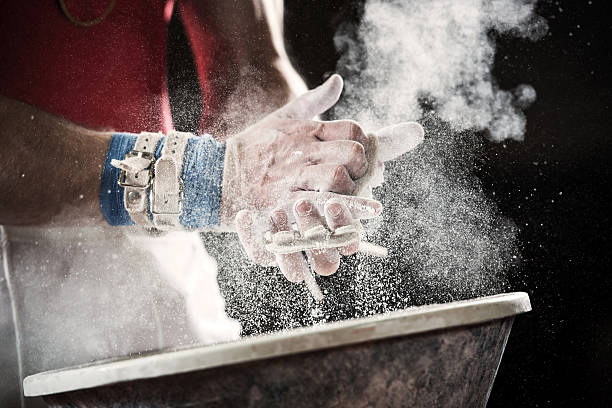
A perfect routine looks effortless, but it’s built on a foundation of careful engineering. Every twist, spin, and landing depends on the gear that supports it. Gymnastics equipment forms the unseen partnership between athlete and motion, turning gravity from an obstacle into an ally. Without it, confidence would falter long before performance begins.
Each piece of apparatus carries its own purpose. The vault table converts momentum into lift through its spring-loaded core. Uneven bars offer flexibility that bends without snapping, letting gymnasts swing with rhythm instead of resistance. Beams demand precision, yet the surface texture provides just enough friction to keep balance steady. On the floor, layers of foam and wood create a system that stores and releases energy part cushion, part trampoline. Together, they shape an environment where mistakes can be studied, not feared.
Design precision matters as much as strength. The wrong density of foam in a landing mat could mean the difference between a soft stop and a jarring shock. A bar that’s too stiff might refuse to yield when weight shifts. Engineers test every detail repeatedly, measuring how materials behave under impact, heat, and constant strain. Gymnastics equipment may look simple, but it functions like a silent orchestra, each part tuned to respond in harmony.
Training introduces wear long before eyes notice it. Mats compress, bolts loosen, and frames shift millimetres at a time. Coaches and technicians inspect gear daily, tightening screws, cleaning surfaces, replacing straps. Safety doesn’t come from trust alone it comes from maintenance that never rests. A single unchecked hinge could end a season. That’s why professionals treat upkeep as part of the routine, not an afterthought.
Confidence is what this gear truly gives back. When an athlete knows the surface will hold, hesitation fades. The body commits to movement fully. Landing becomes less about fear and more about control. A gymnast’s body and the apparatus develop rhythm through repetition, almost conversational in nature the bar responds, the beam listens, the mat forgives.
Newer technologies have begun to change how this relationship works. Some facilities use sensor-equipped mats that track pressure and timing to study landings. Smart grips record strain data to help prevent wrist injuries. Even floor systems now include micro-cushioning that adapts to each step. These innovations show that the field isn’t just about aesthetics; it’s about science meeting muscle memory.
Still, no invention replaces the basics. Foam layers, wooden cores, and reinforced steel frames remain at the heart of gymnastics equipment. Their design serves one purpose: reliability under stress. Whether a child learning cartwheels or an elite gymnast preparing for competition, both depend on the same principle that the tools will respond exactly as expected, every single time.
Cost sometimes tempts smaller gyms to choose imitation gear. It may seem harmless, yet inferior builds can shift balance, trap joints, or collapse under force. Certified suppliers test equipment against international standards, checking that each component absorbs and releases energy correctly. That diligence isn’t luxury it’s protection.
If the athlete is the face of gymnastics, the equipment is its backbone. It never takes credit, never shines under the spotlight, yet it carries the story of every practice and performance. Every graceful dismount lands on the quiet reliability beneath it. Every spin depends on a bar that doesn’t betray its flex. Each leap trusts foam, wood, and steel to catch it faithfully.
Great routines live in memory, but the gear makes them possible. The real applause belongs as much to those unspoken partners the ones that hold steady through falls, adjust under force, and remind us that every display of control begins with trust in what’s built to support it.