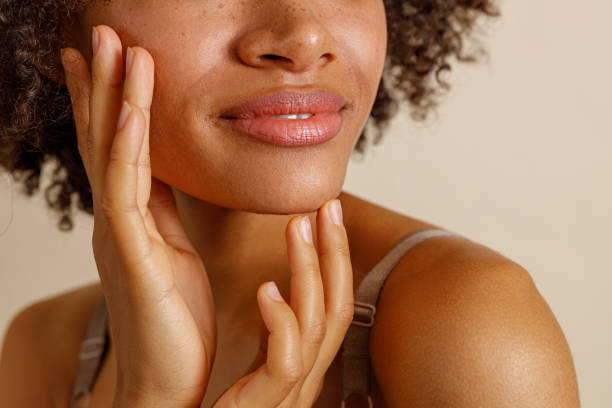
In the past, beauty trends chased a single ideal. Faces were sculpted toward symmetry, bodies reshaped to match narrow standards, and procedures promised radical makeovers. Yet walking into a clinic today feels different. The language is softer, the options more subtle. Practitioners now speak less about transformation and more about fine-tuning. This quiet shift places precision above perfection, making aesthetics feel closer to personalised care than assembly-line alteration.
Part of this evolution lies in how people view themselves. Social media once rewarded extreme changes, but today’s feeds favour a softer look. Users celebrate texture, minor asymmetry, and the quirks that make a face unique. In response, clinics have refined their offerings to match these values. Rather than pushing dramatic overhauls, they look for ways to enhance existing features. The process involves careful mapping, micro-adjustments, and a willingness to pause rather than overdo.
Inside this movement sits a growing field of cosmetic medical treatments, where science and artistry merge. These procedures, ranging from minimally invasive injectables to advanced laser systems, aim to support rather than erase. A practitioner may adjust a contour, smooth a crease, or improve tone without changing the character of a face. Each decision requires a steady hand and a trained eye, reflecting a philosophy that every small change should have a clear purpose.
Technology has accelerated this mindset. High-resolution imaging tools reveal skin conditions invisible to the naked eye, letting practitioners design individualised plans. Software can simulate outcomes before any needle touches the skin. This capacity for visualisation encourages restraint. Instead of guessing, professionals measure and plan, often recommending several modest sessions instead of a single bold intervention. Patients see gradual progress and fewer surprises.
Clinics also explore new combinations of therapy. A patient might receive laser resurfacing paired with microneedling or a low-dose filler combined with light therapy. Such blending allows them to target multiple concerns without overwhelming tissue recovery. In practice, this makes the experience feel like a series of precise steps rather than a one-time gamble. People leave with improvements that unfold naturally, fitting more comfortably into their daily lives.
Still, enthusiasm meets caution. Not all experts agree on how far this trend should go. Some believe the public underestimates the risks of multiple minor interventions. Others note that while cosmetic medical treatments can improve appearance, lifestyle habits, stress levels, and sun exposure still determine much of the skin’s long-term health. This tension creates a more balanced conversation in which patients hear both benefits and limits.
Economic factors reinforce the trend toward precision. Smaller, staged procedures often cost less per visit and allow patients to budget over time. Downtime decreases too, so busy professionals can return to work quickly. This structure fits a world where self-care competes with hectic schedules. People prefer subtle, incremental steps that avoid awkward social gaps or visible signs of recovery.
Cultural influences also play a role. Younger generations grew up with diverse images of beauty, and they bring those values into the clinic. They do not necessarily want to mimic a celebrity look. Instead, they request individualised enhancements. Practitioners respond by asking more questions, measuring expectations, and framing results in terms of harmony rather than perfection. This dialogue strengthens trust and reduces disappointment.
Education underpins all of this. Many clinics now run consultations more like coaching sessions, explaining how collagen works, how healing unfolds, and what outcomes to expect. This transparency builds confidence and encourages realistic timelines. Patients learn that long-lasting results come from consistency, sun protection, and healthy routines alongside in-office care. The old mystery of aesthetics gives way to a partnership model.
Cosmetic medical treatments become instruments of subtle support rather than weapons of transformation. They help people feel more aligned with themselves, offering confidence without erasing character. In 2025 and beyond, this ethos may outlast any single trend, reshaping how society understands the very notion of beauty.