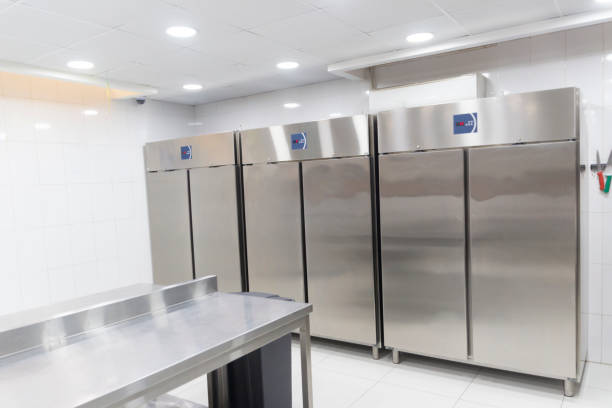
A café can serve breakfast before sunrise, a supermarket can hold chilled stock through the night and a warehouse can move temperature-sensitive goods long after customers have gone home. Most people see the final product, not the systems that protect it. Behind that ordinary availability sits a network of refrigeration equipment, controls, maintenance routines and staff decisions that rarely attract attention until something goes wrong.
Commercial refrigeration solutions are part of that hidden infrastructure. In hospitality, they may support cool rooms, prep fridges, display cabinets, freezers and ice production. In retail and storage environments, the scale and layout can be very different, but the underlying challenge is similar: remove heat reliably enough to maintain the conditions required for the products being stored.
The equipment itself is only one part of the system. Refrigeration depends on airflow, heat rejection, sensors, controls and a sealed refrigerant circuit. If a condenser becomes dirty, a door seal fails or an evaporator is blocked by stock, performance can deteriorate even when the unit is technically still running. Small faults can therefore show up first as longer run times, uneven temperatures or excess ice rather than a complete shutdown.
That is why maintenance is operational work, not merely a repair activity. Cleaning, inspection and servicing can help identify wear before it becomes a more disruptive fault. Staff can support that process by reporting unusual noise, water, frost or temperature behaviour early instead of waiting for the equipment to stop.
Layout also affects performance. A cool room packed tightly to the ceiling may look efficient from a storage perspective, but blocked air paths can create uneven conditions. Frequently opened doors introduce warm, humid air and increase cooling demand. Locating high-use stock where staff can reach it quickly can reduce door-open time without changing the refrigeration plant at all.
Commercial refrigeration solutions also intersect with energy management. Cooling equipment may operate for extended hours, so unnecessary heat gain and poor maintenance can add avoidable load. Intact seals, clear airflow, clean heat-exchange surfaces and appropriate settings can all support efficient operation. Any optimisation still has to protect the required storage conditions; energy savings that compromise temperature control are not real savings.
Monitoring adds another layer of resilience. A temperature display tells staff what is happening at a particular point, while logging or alert systems can help reveal patterns over time. Businesses can use that information to investigate recurring warm periods, door-use issues or equipment that appears to be working harder than expected. The value comes from acting on the data, not simply collecting it.
Replacement planning is another hidden task. commercial refrigeration solutions do not become easier to replace when equipment finally fails. Lead times, access, electrical requirements and changes in the business may all influence the right replacement. Reviewing ageing assets before an emergency gives managers time to compare options and budget sensibly.
When a fault does occur, preparation matters. A business should know what stock is most vulnerable, where it can be moved, who has authority to make decisions and which service contact to use. Food businesses also need to follow applicable food-safety requirements when assessing potentially affected stock. Guessing based on how an item looks or feels is not an adequate control.
Australian operators rely on specialists across installation, servicing and repair. Taurus Refrigeration Services is one such New South Wales business associated with commercial refrigeration and air-conditioning work. The useful lesson is broader than any one provider: refrigeration should be treated as a system with a life cycle, not as a box that is forgotten after installation.
The hidden systems keeping businesses running stay hidden precisely because they work. Well-planned commercial refrigeration solutions support that quiet reliability through correct selection, sensible operation, monitoring and maintenance. Customers may never notice any of it, but the chilled drink, fresh ingredient or frozen product in front of them depends on those unseen decisions being made well.