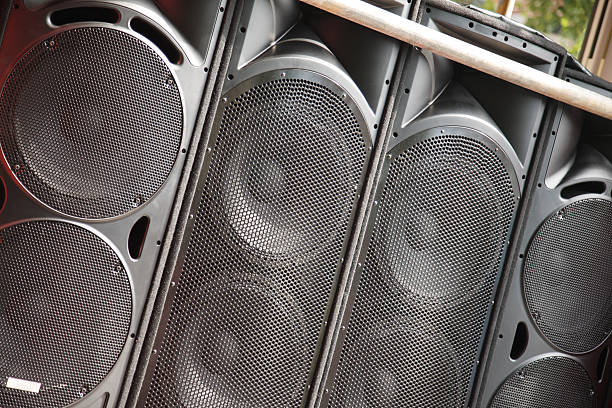
A difficult room can tempt a design team into adding more equipment, more processing and more zones. Sometimes that is justified. Often it creates a system that is harder to commission, operate and maintain without solving the real acoustic problem. A better starting point is to identify what makes the room difficult and choose the simplest arrangement that addresses that cause.
Long reverberation is one common issue. Hard surfaces return sound after the direct signal has arrived, reducing speech clarity and smearing musical detail. In these rooms, the priority is usually to keep useful energy on listeners and reduce unnecessary sound on reflective boundaries. Column loudspeakers can be effective where their controlled vertical coverage suits the audience geometry, particularly when listeners occupy a relatively narrow vertical area.
The room may present a different problem, such as an awkward shape. L-shaped spaces, deep balconies, side seating and low ceilings can leave areas hidden from a single main source. Adding one very powerful loudspeaker does not remove those obstructions. A small number of carefully placed zones may provide better direct sound at lower local levels.
The key is to add zones for a clear reason. Front fills can serve listeners close to a stage. Under-balcony sources can restore clarity where the main system is blocked. Delayed loudspeakers can support distant seating. Each addition should have an identified coverage area and a defined relationship with the main system. If two sources cover the same seats without a plan, their overlap can make frequency response less consistent.
Mounting position should be treated as an acoustic decision, not merely an architectural convenience. A loudspeaker placed high on a side wall may look tidy but send too much energy across the room. A lower position may improve direct sound but create sightline or damage concerns. The best compromise depends on audience location, building use and practical access.
Where column loudspeakers are considered, designers should examine both horizontal and vertical coverage. A narrow vertical pattern can help with ceiling and floor reflections, but the horizontal pattern still has to reach the required seats. The column also needs enough output and bandwidth for the intended programme. Speech-led spaces may have different needs from rooms that regularly host full-range music.
Processing can refine a good layout, but it should not be asked to rescue a poor one. Equalisation can shape tonal balance, delays can align zones and limiters can protect equipment. None of those tools can make a loudspeaker cover seats that sit outside its pattern. Complex signal chains can also create more points of failure and make routine operation harder for staff who are not audio specialists.
Acoustic treatment may be the more efficient answer when reflections dominate. Curtains, absorptive panels or other measures can reduce problematic energy where the building and project allow them. Treatment does not replace good loudspeaker design, but it can reduce the amount of electronic correction the system appears to need.
Commissioning should test the room under realistic conditions. Empty spaces can sound more reverberant than occupied ones, while furniture, partitions and curtains may change from event to event. Speech, music and paging signals should be checked from representative listener positions. The engineer can then adjust level, timing and equalisation with a clear understanding of what each change is meant to improve.
Operational simplicity has value after the installers leave. In some projects, column loudspeakers also reduce visual clutter, but appearance should remain secondary to coverage, output and the actual listening conditions. Clear zone labels, sensible presets and limited access to critical settings can help users get repeatable results. A system that requires expert intervention for ordinary events may be technically impressive but poorly matched to the building.